Roofing and Roof Repairs: Expert Guide
Roofing and roof repairs are essential for protecting a home from the elements. This guide provides actionable insights for homeowners, highlighting best practices, safety, and what to expect from reputable contractors.
Understanding Roofing: Types and Materials
There are several common roofing materials, each with its own lifespan, maintenance needs, and performance in different climates. Choosing the right material involves climate, slope, budget, and local codes. A well-informed homeowner reduces the risk of leaks and costly repairs over time.
Shingle roofs (asphalt)
Asphalt shingles are the workhorse of residential roofing. They offer a low upfront cost, simple installation, and a wide range of colors. Proper nailing, adequate underlayment, and venting are critical to prevent wind uplift, curling, and premature wear. Regular inspections help catch curling edges and missing granules before leaks form.
Metal roofs
Metal roofs provide excellent durability, fire resistance, and energy efficiency. They shed snow better than most materials and resist impact fairly well. Repairs may involve replacing damaged panels, resealing seams, or addressing corrosion at fasteners. While the upfront cost is higher, long-term value often exceeds other options when properly installed and maintained.
Clay, concrete tile, or slate
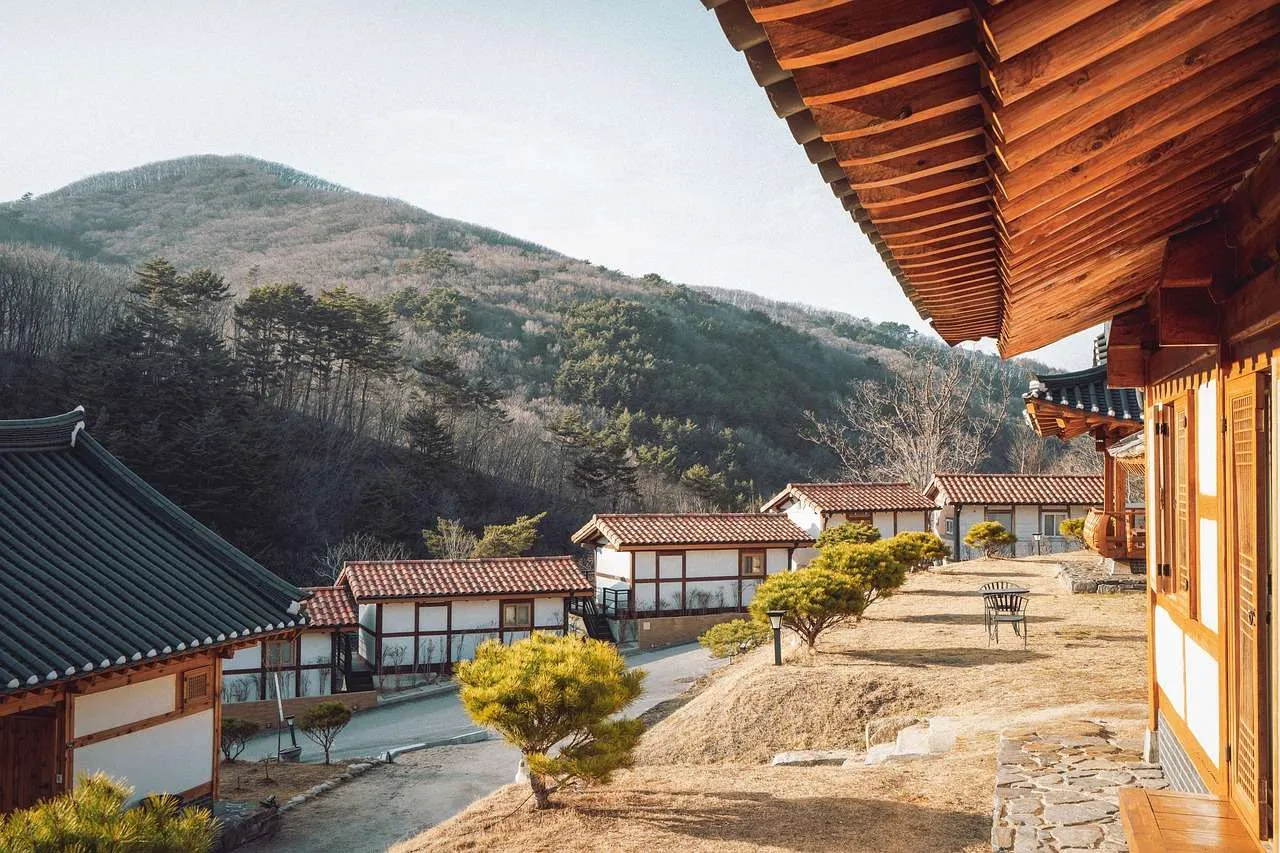
Clay and concrete tiles, along with natural slate, offer long lifespans and distinctive aesthetics. They require a strong roof structure and careful maintenance to prevent cracked or loose tiles. Repairs typically target broken tiles, flashing, and underlayment beneath tiles. These materials are heavier and may necessitate structural checks.
Flat or low-slope roofs
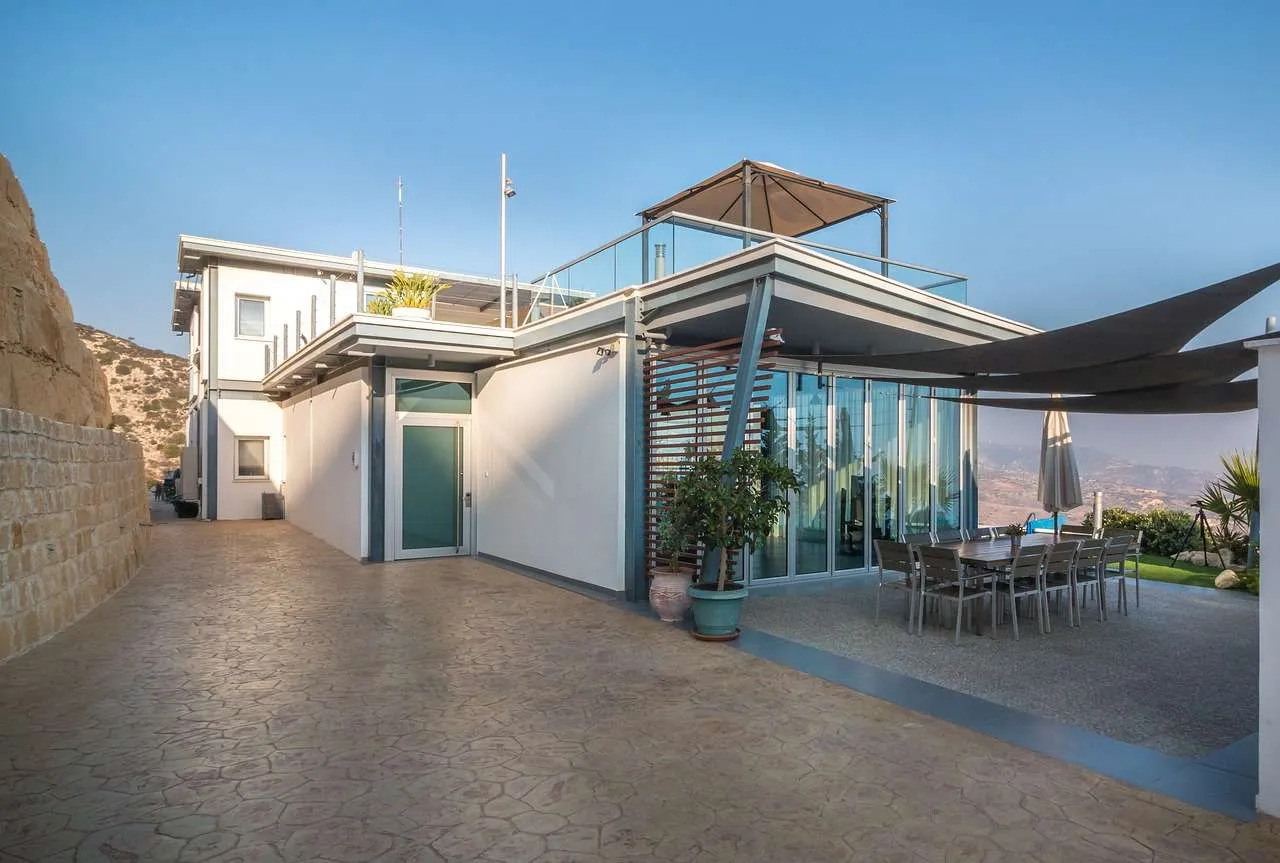
Flat roofs rely on membranes and flashing to shed water. They are common in modern designs and some commercial-adapted homes. Repair considerations include leakage around skylights, penetrations, and edge detailing. Periodic membrane patches and flashing reseals are common maintenance tasks.
Common Roof Problems Requiring Repairs
- Missing or torn shingles, allowing water intrusion
- Damaged flashing around chimneys, vents, or skylights
- Water stains in ceilings or attic moisture
- Ice damming in cold climates and clogged gutters
- Poor attic ventilation leading to mold or rot
Inspection and Preventive Maintenance
Annual professional inspections, ideally before and after harsh seasons, extend roof life. A qualified roofer checks shingles, flashing, vents, gutter connections, and attic insulation. Homeowners can support longevity with routine maintenance: clear debris, keep gutters free of clogs, trim branches, and ensure proper attic ventilation and insulation.
Choosing a Roofing Contractor
Trust is earned through licensed, insured professionals with proven warranties and solid references. When evaluating candidates, request written estimates, check online reviews, verify credentials, and confirm safety programs. Demand a detailed scope of work, material specifications, and a clear warranty policy for both labor and materials.
Cost Considerations and Timing
Costs vary by material, region, and roof complexity. Typical ranges include asphalt shingles ($5–$10 per sq ft), metal ($8–$14 per sq ft), and tile ($12–$25 per sq ft), plus labor. Roof repairs are usually less expensive than full replacement, but persistent issues can lead to higher long-term costs. Always obtain multiple quotes and verify insurance coverage and workmanship warranties.
Comparison of Roof Types
| Roof Type | Lifespan | Pros | Cons | Typical Repairs |
|---|---|---|---|---|
| Asphalt Shingles | 15–30 years | Low cost, easy install | Wind damage, granule loss | Missing shingles, flashing issues |
| Metal | 40–70+ years | Durable, energy-efficient | Higher upfront, specialist repairs | Panel/fastener leaks |
| Clay/Concrete Tile | 50–100+ years | Long-lasting, aesthetic | Heavy, brittle, structural | Broken tiles, flashing |
| Flat Membrane | 15–25 years | Modern look, good for low-slope | Leak-prone if poorly installed | Membrane patches, flashing |
This table helps homeowners compare material lifespans, benefits, and typical repair needs. Material choice should align with climate, roof geometry, and budget.
Maintenance Checklist
- Inspect after storms for missing shingles or hail damage
- Clean gutters and downspouts to prevent backups
- Trim tree limbs that overhang the roof
- Ensure attic insulation and ventilation are adequate
- Schedule professional inspections at least once per year
In addition to routine maintenance, timely roof repairs prevent small leaks from becoming major water damage. A licensed professional can perform targeted repairs—sealing flashing, replacing damaged shingles, or upgrading underlayment—without unnecessary full replacement when appropriate.
Conclusion, with proper care, roofing and roof repairs protect your home for decades, preserve energy efficiency, and preserve property value. By understanding materials, recognizing early warning signs, and working with licensed, transparent contractors, homeowners can make informed decisions and achieve reliable, safe roofs.