Home Window Tinting: Benefits, Types & Tips
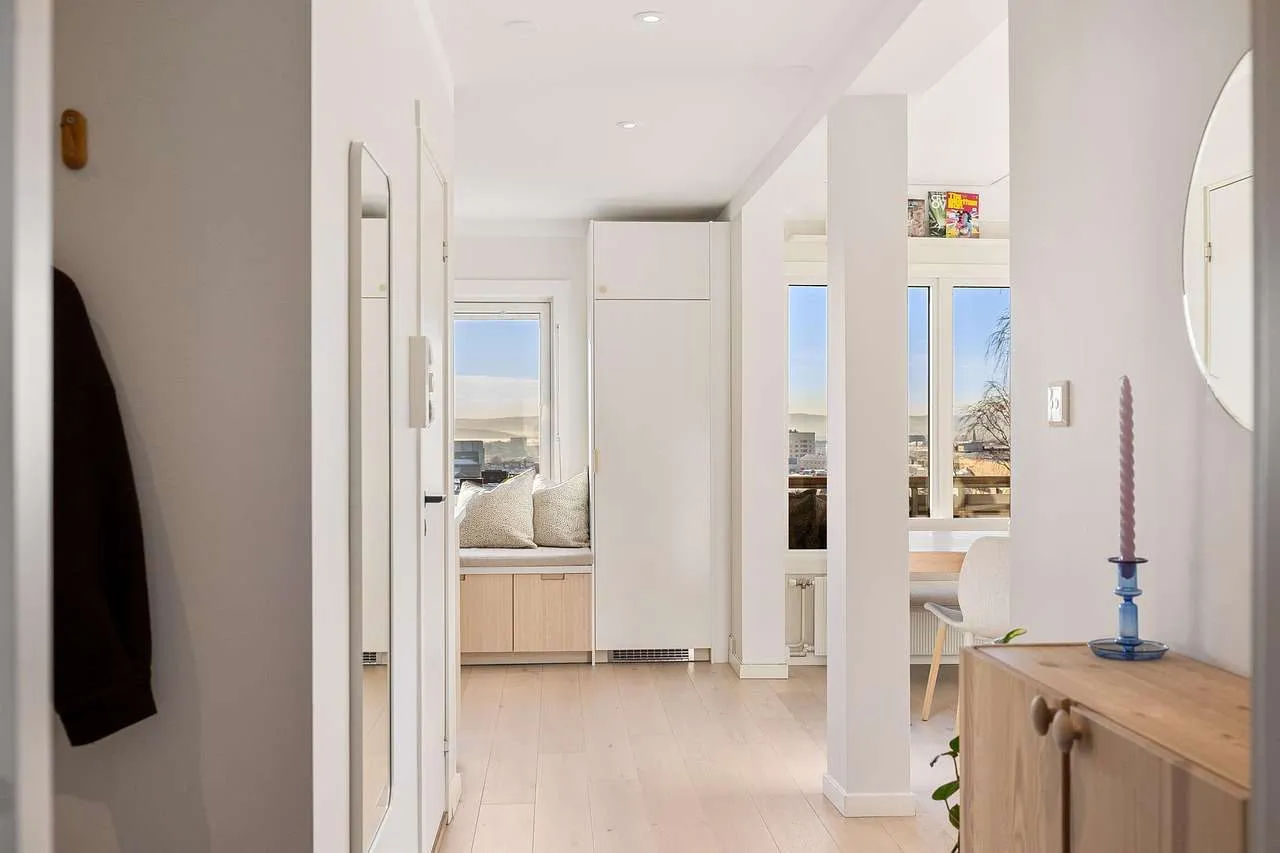
Home window tinting is the process of applying a film to residential windows to reduce heat gain, block UV rays, and improve privacy, all while preserving natural light. This upgrade can boost comfort, curb energy use, and extend interior life.
Benefits of home window tinting
Energy savings: Tint reduces heat gain in summer and helps retain warmth in winter, lowering cooling and heating loads and monthly bills.
UV protection: Most films block up to 99% of ultraviolet rays, slowing furniture and floor fading and protecting skin and eyes indoors.
Glare reduction and privacy: A tinted film helps manage bright sun and provides daytime privacy without completely darkening your view.
Safety and security: Some options hold shattered glass together in case of impact, adding a layer of protection for families and valuables.
Types of window tint for homes
Window tint comes in several chemistries and finishes. Understanding the differences helps you balance performance with price.
Dyed films
Dyed films are the most budget-friendly. They provide glare control and color selection but can fade over time and are less durable than modern alternatives.
Metalized films
Metalized films reflect sunlight for strong heat rejection and added strength. They may cause slight reflectivity and can interfere with some electronic signals.
Ceramic films
Ceramic films use non-metal particles for excellent heat rejection and clarity. They offer the best overall performance with minimal interference and durability.
Carbon films
Carbon films deliver a non-reflective finish with solid heat control and UV protection, appealing for homeowners seeking a modern, natural look.
What to consider before tinting
Check local regulations and HOA restrictions, as some areas limit tint darkness or require specific shades. Consider the type of glass you have, existing coatings, and warranty terms from manufacturers and installers. Plan for rooms with the most sun exposure, such as south- or west-facing spaces.
Professional vs DIY installation
Professional installation ensures proper adhesion, precise alignment, and longer-lasting results, reducing bubbles or peeling. DIY kits exist but require careful surface prep and steady technique; mistakes can compromise performance and warranty.
Cost and ROI
Most homes pay between $5 and $15 per square foot installed, depending on film type and window size. Professional work adds to the upfront cost but provides better warranty coverage and finishes. Energy savings appear over time, particularly in hot climates, contributing to a favorable return on investment.
Comparison of tint types
| Tint Type | Heat Rejection | UV Rejection | Pros | Cons | Best For |
|---|---|---|---|---|---|
| Dyed | Moderate | Good | Low cost, glare control | Fades over time, less durable | Budget upgrades |
| Metalized | High | Good | Strong heat control, added strength | May reflect, can affect signals | Hot climates |
| Ceramic | Excellent | Excellent | Top performance, no metal | Higher upfront cost | Energy efficiency and clear view |
| Carbon | Very good | Excellent | Non-reflective, durable | Moderate to high cost | Modern aesthetics with performance |
Maintenance tips
Clean tinted windows with a soft cloth and mild soap. Avoid abrasive cleaners that can scratch the film. Follow the warranty instructions to preserve coverage and longevity.
Summary: With the right film selection, proper installation, and awareness of local rules, home window tinting can enhance comfort, protect interiors, and deliver meaningful energy savings over time.